:: Home
Home
:: Latest Updates
Background
:: Scope
Scope
:: UK Fashion Industry
UK Fashion Industry
London Fashion Week
London Fashion Week
The British clothing industry
The British Clothing Industry
From Casting to Catwalk
:: Global Practice
Global Best Practise
:: Health
Health
:: Media
Media & Publications
:: Frequently Asked Questions
Frequently Asked Questions
:: Links
Links
:: Contact Us
Contact Us

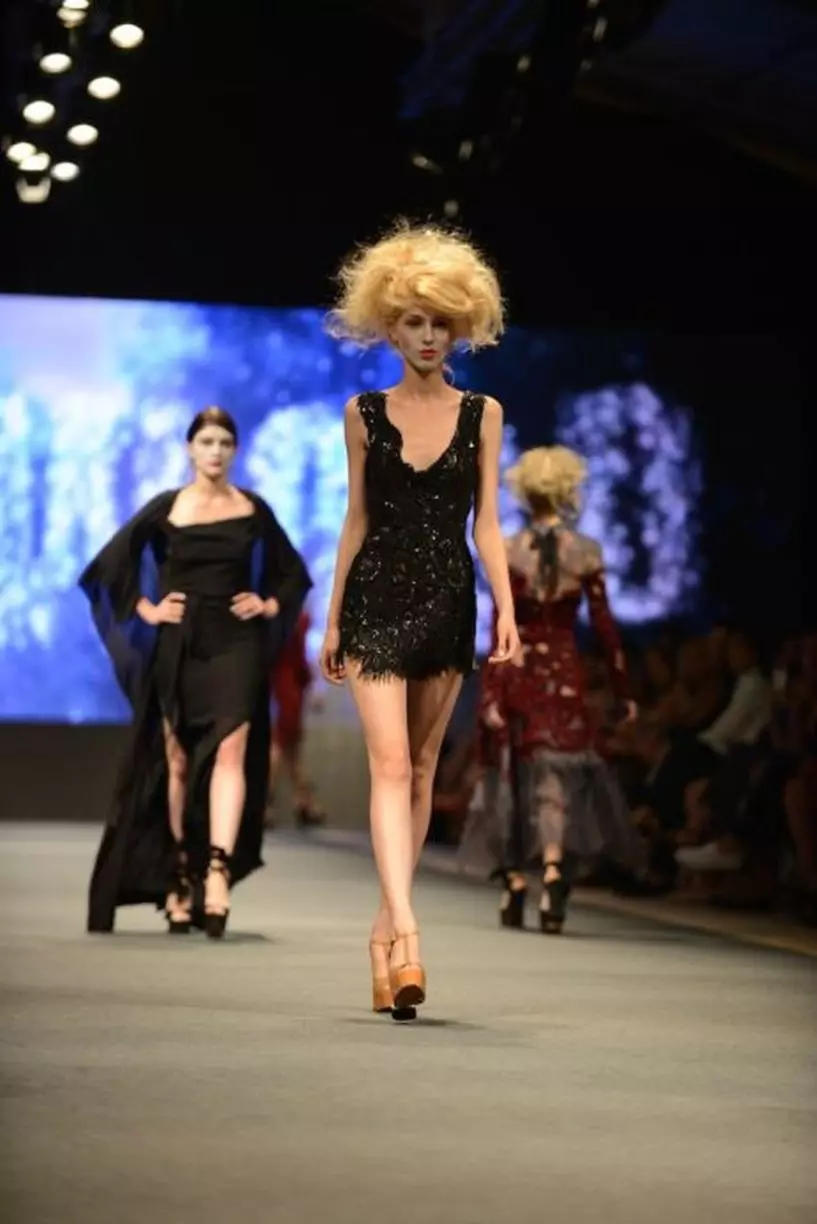
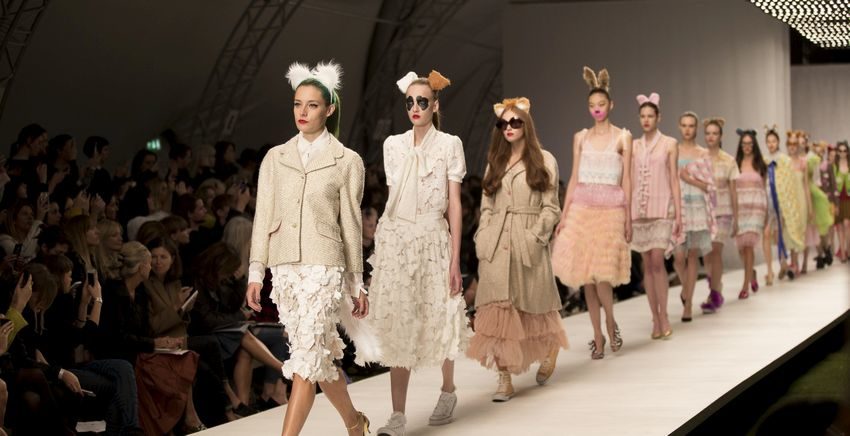
London Fashion Week

  • London Fashion Week is organised by The British Fashion Council, which is a non-profit making limited company financed by industry sponsors.

  • The retail value of orders generated at London Fashion Week each season are estimated to be in the region of £40 million.

  • It is estimated that London Fashion Week generates over £100 million per annum for the London economy.

  • Worldwide media coverage of London Fashion Week is worth over £50m per season.

  • Overall event sponsorship for London Fashion Week has increased threefold in the last 7 years.

  • London Fashion Week has grown from 15 shows/presentations and 50 exhibitors in 1994 to 49 catwalk shows over 6 days and 200 designers in the exhibition in February 2007.

  • Over 5,000 visitors attended the most recent London Fashion Week in February 2007 including buyers, TV & radio crews, journalists and photographers.

The British clothing industry

  • In 2005, the British clothing industry produced more than £4 billion worth of goods and employed over 85,000 people. If the textile industry is added, the combined sectors produce over £9 billion worth of goods at manufacturers’ prices and employ more than 165,000 people.

  • Overseas sales of the apparel and textile industry combined are worth £5.8 billion at manufacturers prices.

  • UK designers sell £750m of clothing at manufacturers prices, of which almost two-thirds is exported. The US, Japan and the major European markets tend to be the main focus in terms of export activity.

  • At retail level, spending on clothing accounts for 5% of expenditure on all consumer items. In 2005 over £21 billion was spent on womenswear just under £10 billion on menswear and over £6.7 billion on childrenswear.

  • The clothing industry is particularly important in terms of its widespread location and its high female employment - 70% of its employees are women. It also makes a significant contribution to ethnic minority and inner city employment

From Casting to Catwalk

  • Designers traditionally show their new collections in an annual fashion show for buyers, the fashion industry, and the general public.

  • The designer generally employs a show producer who is responsible for planning, producing and executing the show and a stylist who works with the designer to create the look of the show and to style the models. The casting for the show is usually done by the show’s casting director in conjunction with the designer and the stylist. They will work together to come up with a profile of the type of model they are looking for to show the collection and they will be aware of the available budget.

  • Once the profile has been compiled, it will go out to a number of model agencies, each of which represents a group of models. In response, the model agencies will send show packs of cards with models that fit the profile and budget.  Models will then go and see the casting director and possibly stylist who will draw up a shortlist of models during a typical one or two day casting process. Following this, the short-listed models will see the designer who may try the clothes on the models and will place an option on between 10 and 45 models to appear on the catwalk at the show. Once a girl is confirmed for a show she has to come back to the designer and be fitted for her looks

  • On show day, models arrive three to four hours before the show begins for hair and make-up. Then they are walked through and shown what to do by the show producer. An hour before the show there is a rehearsal and about 15 minutes before the show starts the models go backstage, find their outfits and get into their first look. The casting director/production lines them up and then the show starts.